Staging Tips
The difference between a good offer and a great one often comes down to what buyers feel when they walk through the door — and feeling is something you can design.
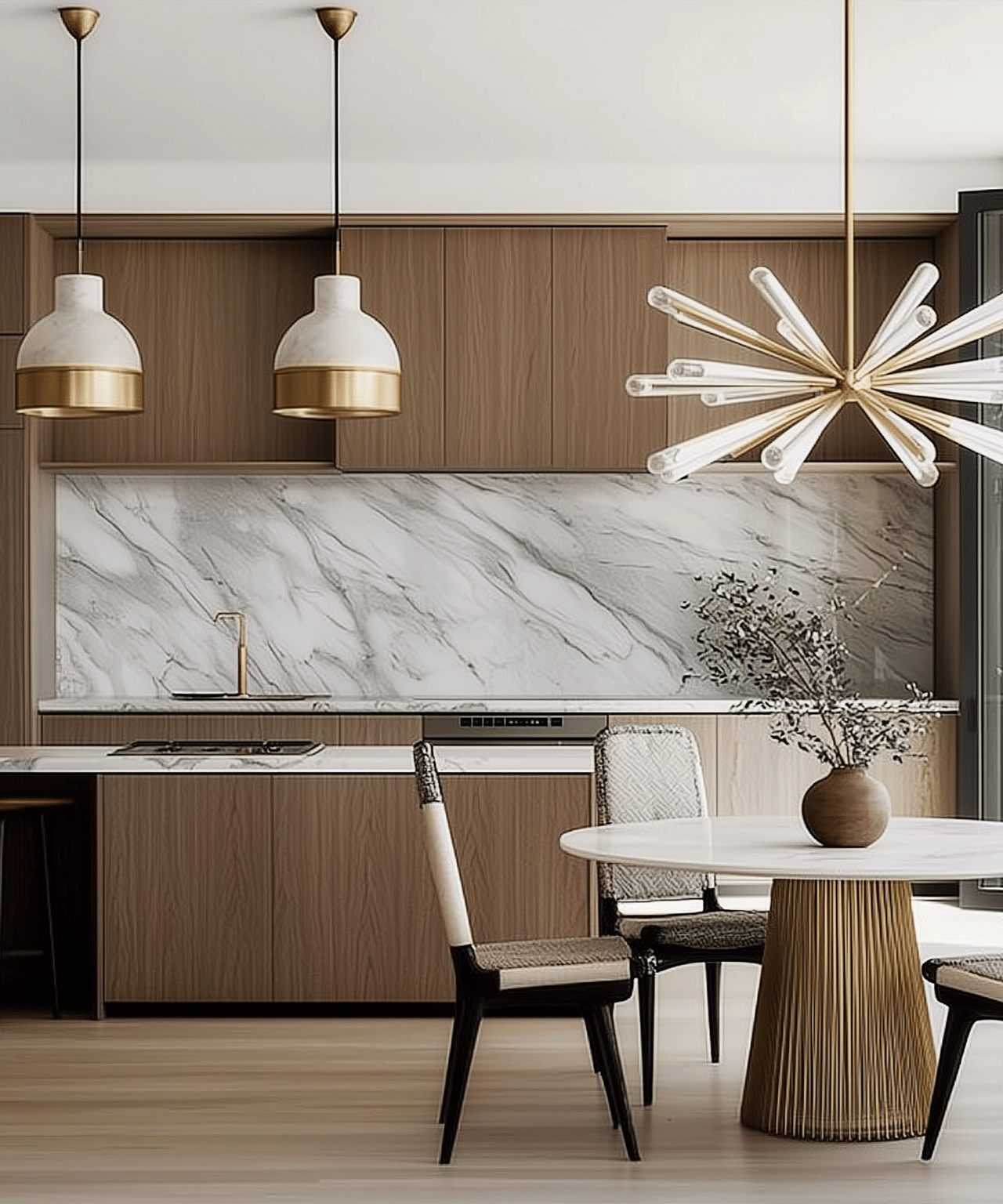
Staging isn't about making your home look like a magazine spread. It's about helping buyers picture their life inside it. That shift in perspective, from your home to their home, is what moves people from interested to committed.
Here's where to focus your energy:
- Start with the entry. Buyers form their first impression in about seven seconds. A clean, well-lit entryway with a simple focal point — a mirror, a plant, fresh paint — sets the tone for everything that follows.
- Depersonalize, but don't strip it bare. Remove family photos and personal collections, but leave enough warmth that the space doesn't feel like a model unit. Think: a clean kitchen counter with a single bowl of fruit, not a home that looks like nobody lives there.
- Let light do the heavy lifting. Open every curtain, replace dim bulbs, and add lamps to corners that feel dark. Bright rooms read as larger, newer, and better maintained.
- Edit the furniture. Less is almost always more. If a room feels tight, pull a piece out. Buyers need to move through the space easily and imagine their own things fitting in.
- Neutralize strong choices. That deep red accent wall might be your favorite thing in the house. To buyers, it's a project. A weekend with a neutral paint color pays for itself in fewer low-ball offers.
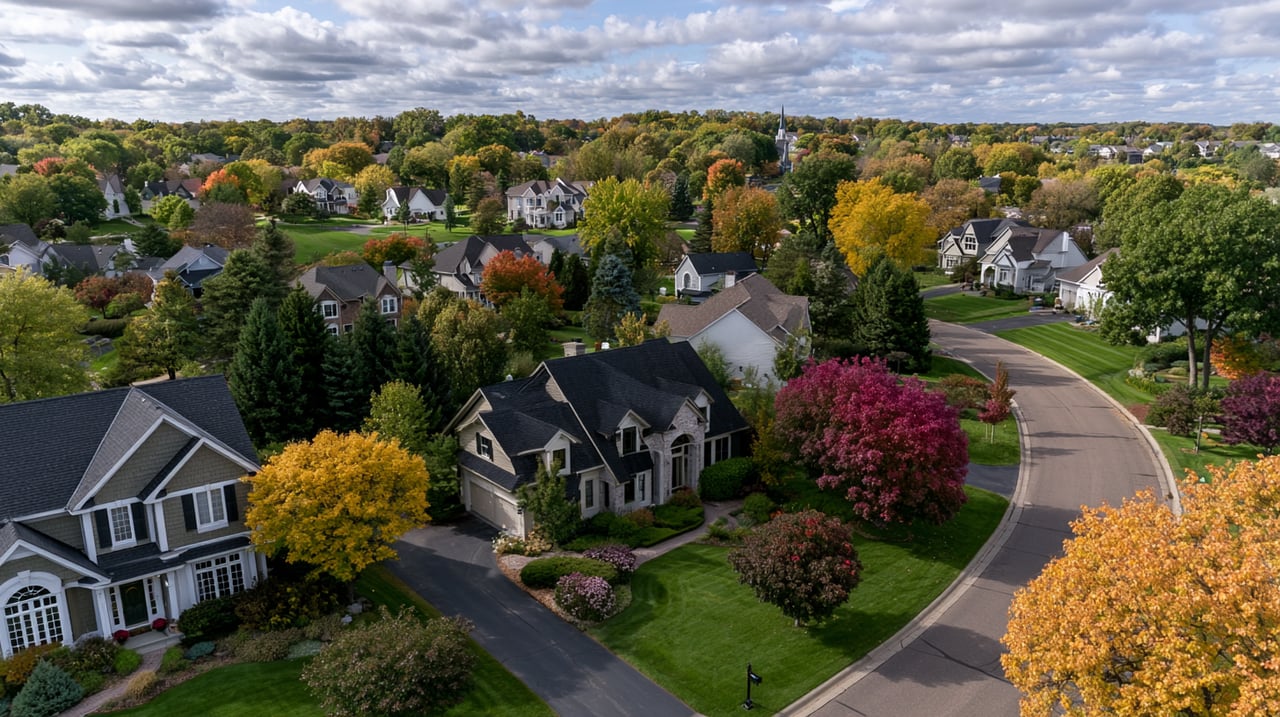
- Don't ignore the outside. Curb appeal sets expectations before buyers step inside. Trim the hedges, power-wash the driveway, and put a new welcome mat at the front door.
The goal isn't a perfect home. It's a home where buyers can already see themselves living. Get there, and the offers tend to follow.
 Photo Day Checklist
How to Get Your Home Photo-Ready Before the Photographer Arrives
Listing photos are the first showing. Most buyers decide whether to schedule a tour based on what they see online, which means your photographer's visit matters more than almost anything else in the pre-listing process. A great agent and a great price won't save you from bad photos.
The good news: most of what makes a home photograph well is just preparation. You don't need to renovate. You need to be ready.
Work through this checklist before the photographer arrives:
Outside
- Mow the lawn, edge the walkways, and clear any leaves or debris
- Remove cars from the driveway and street in front of the house
- Put away hoses, trash cans, and any yard equipment
- Wipe down the front door and replace any burnt-out exterior lights
- Add a fresh welcome mat if yours is worn
Inside — every room
- Remove all personal photos and anything on the refrigerator
- Clear kitchen and bathroom counters down to almost nothing (one or two clean items at most)
- Hide trash cans, laundry hampers, and pet supplies
- Make every bed with your best linens and fluff all pillows
- Open all blinds and curtains, and turn on every light in the house
- Replace any burnt-out bulbs—mismatched lighting shows up badly on camera
- Remove cords and chargers that are visible from the floor or furniture
Closets and storage
- Close all closet and cabinet doors unless the photographer specifically asks otherwise
- Tidy any closets that will be shot — buyers scroll carefully
Final walk-through before the photographer arrives
- Do one room-by-room pass looking for anything that doesn't belong
- Check toilets are closed, soap dispensers are full, and towels are neatly folded
- Put pets and their belongings somewhere out of frame for the day
One last thing worth saying: schedule the shoot on a day with good natural light if you can. Morning light works well for east-facing rooms, afternoon for west-facing. Your photographer will know, but it doesn't hurt to ask.
Moving Out
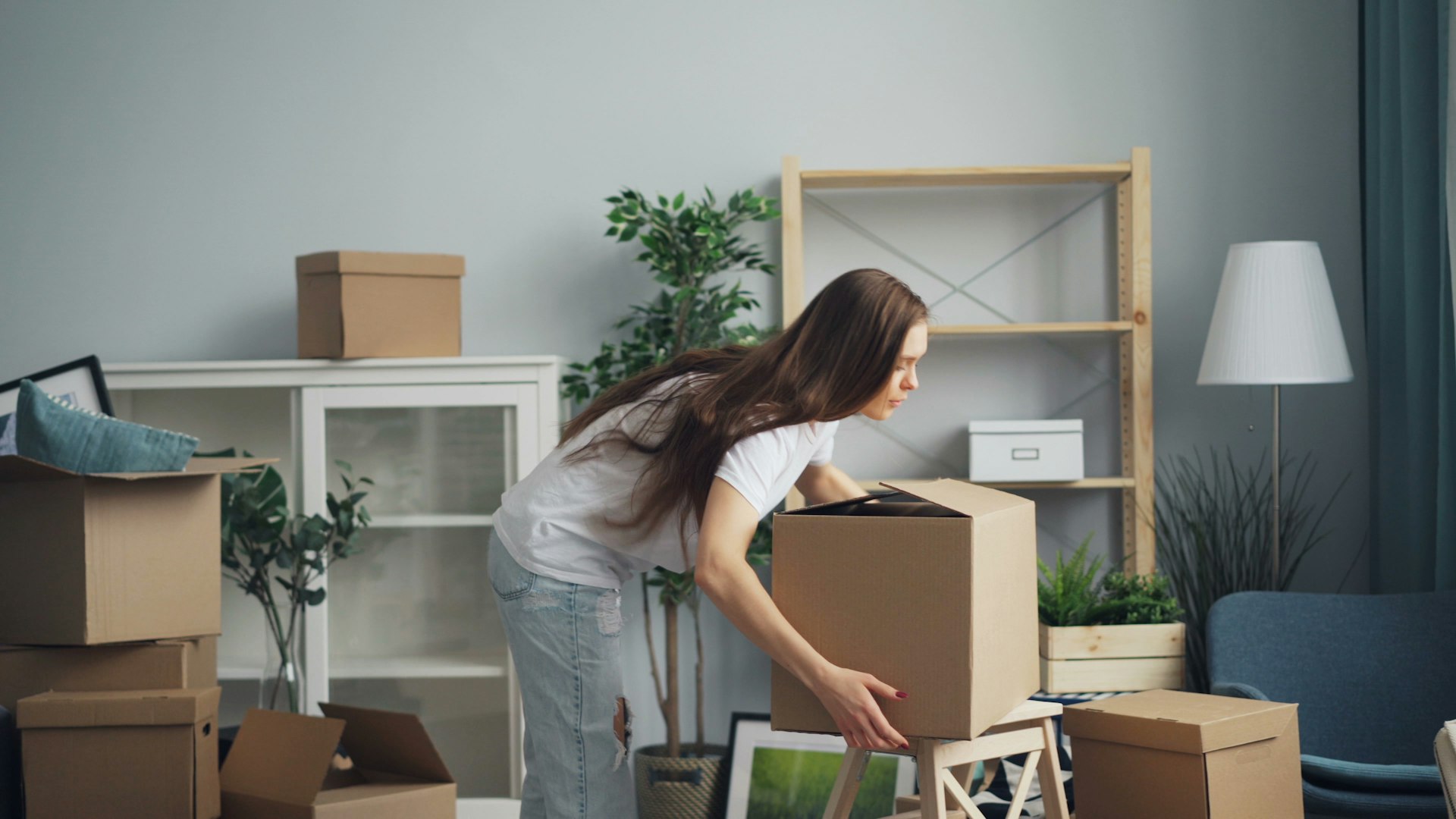
Selling a home and moving out at the same time is one of those experiences that looks manageable on paper and feels chaotic in practice. Showings start, boxes pile up, and suddenly you're trying to keep the house looking like nobody lives there while, in fact, you very much still do.
A little planning goes a long way. Here's what actually helps:
Before you start packing
- Book your movers early — good crews book out weeks in advance, especially on weekends
- Reserve a storage unit for anything you're moving out before closing but don't need at your next place
- Sort as you pack: donate, sell, or toss anything you're not bringing with you rather than moving it twice
- Notify your utility providers, bank, subscriptions, and the post office of your new address before moving day
While the home is on the market
- Pack non-essentials first — seasonal items, extra linens, books, and décor you won't miss
- Keep one set of "show-ready" items for each room: one set of towels, one set of dishes, the things that stay until you hand over the keys
- Designate one area of the home (a garage corner, a closet) as your staging area for boxes so the rest of the house stays clean for showings
- Have a plan for pets and kids on showing days — it's easier for everyone
Around closing
- Schedule your move-out for the day before closing when possible, not the morning of
- Do a final walk-through after the movers leave to check for items left behind, anything damaged during the move, and anything the buyers might flag
- Leave the home cleaner than you found it — it's the right thing to do, and in some markets it's required by contract
The overlap between selling and moving is unavoidable, but it doesn't have to be overwhelming. A clear sequence and a few good systems make the difference between a stressful exit and a smooth one.