

What Winter Reveals About a Home That Summer Never Will
If you’ve ever toured a home in July, you know everything looks magical. Green lawns. Bright sunshine. Windows open with a warm breeze drifting through.
But February? February Tells the Truth.
In the cold climates of Minnesota and Wisconsin, winter doesn’t just change the scenery — it reveals how a home actually performs. And for buyers and sellers alike, that’s powerful information.
If you’re thinking about buying a home in Minnesota or Wisconsin this winter, here’s what the snow, ice, and sub-zero temps can show you that summer never will.

How Well Does the Home Handles the Cold?
Winter can be one of the best times to evaluate a home’s true condition. Cold weather exposes insulation issues, drafty windows, heating performance, and more. In July, you might never notice uneven heating. In February, you absolutely will. This is invaluable insight before making an offer.
When temperatures drop below zero, you quickly learn:
- Are the windows drafty?
- Does the furnace keep up?
- Are certain rooms colder than others?
- Is the home properly insulated?
How to Tell If There are Drainage & Grading Problems?
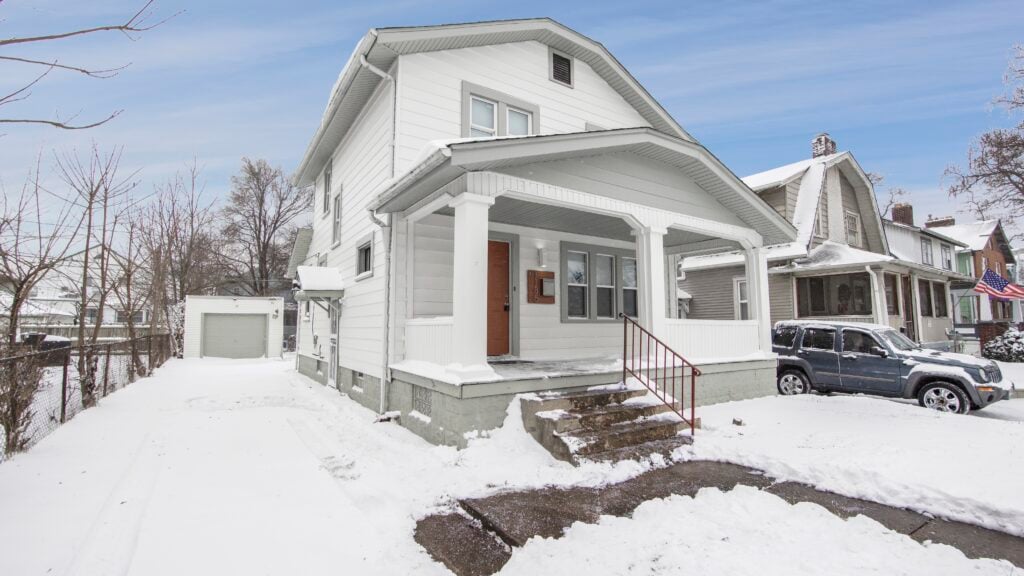
Melting snow is one of the best drainage tests. Proper grading is essential in Minnesota and Wisconsin, where freeze-thaw cycles can impact foundations. Winter gives you a preview of how water moves around the property.
During late February thaws, pay attention to:
- Water pooling near the foundation
- Slushy areas near downspouts
- Ice buildup on walkways
What Are Some Roof Issue & Ice Dam Clues?
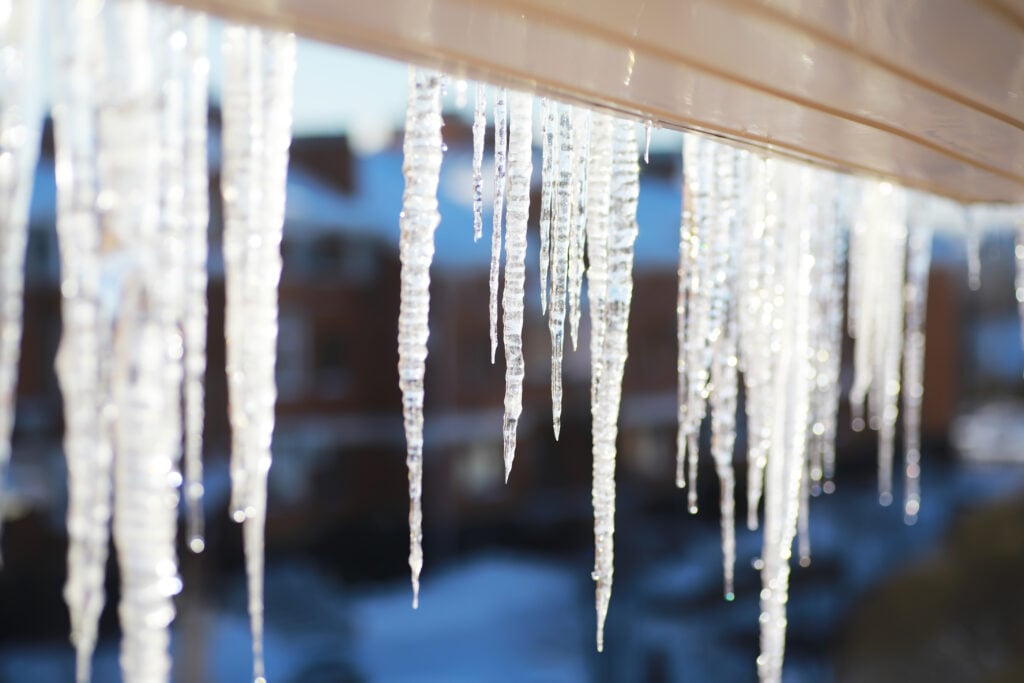
Snow and ice highlight roofing and ventilation issues that stay hidden in summer. These signs can indicate ventilation or attic insulation problems — something every cold-climate homeowner should understand.
When touring a home, look for:
- Large icicles forming along gutters
- Thick ice buildup at roof edges
- Uneven snow melt (which can signal insulation issues)
How Cozy (or Not) the Home Really Feels?
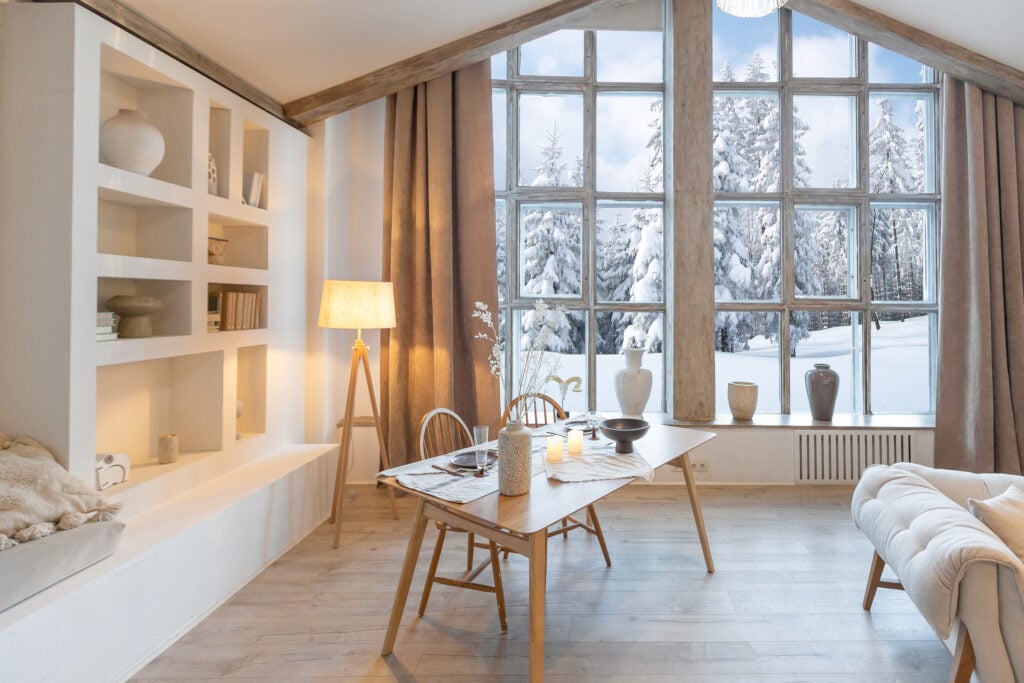
There’s something about walking into a warm home when it’s 5°F outside. In cold climates, functionality matters just as much as aesthetics. Winter showings highlight livability in a way summer simply can’t.
What should buyers look for during a winter showing:
- Does the entryway protect against cold air blasts?
- Are there noticeable drafts near doors?
- Is the garage insulated?
- Does the mudroom function well for boots and snow gear?

Fewer Buyers = More Opportunity
The real estate market often slows slightly in January and February. While spring is busy and competitive, winter buyers can sometimes secure stronger deals.
This means:
- Less competition
- More negotiating flexibility
- Motivated sellers